
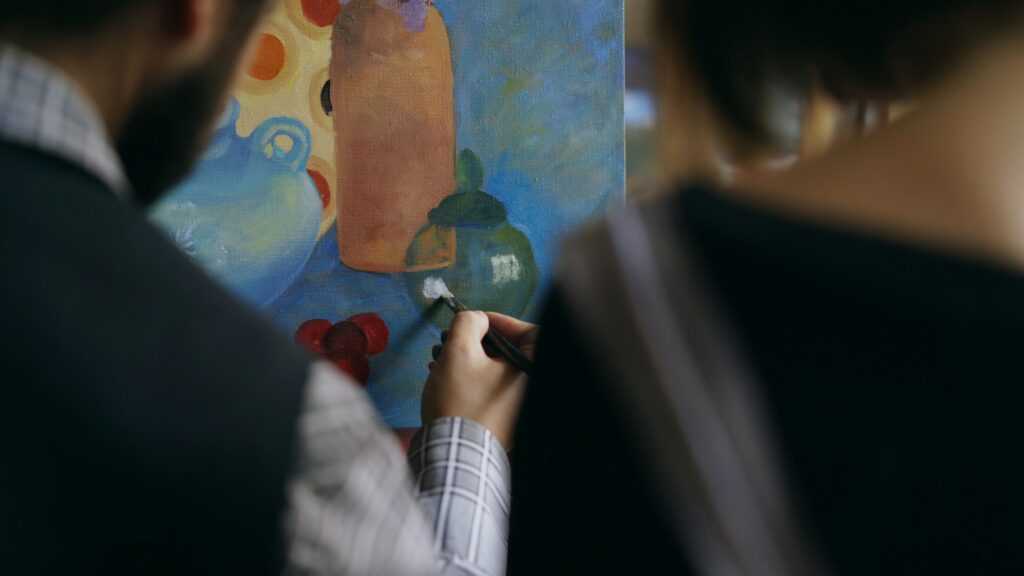
Understanding the Power of Underpainting
Before color, there’s structure. Underpainting is the foundation beneath your finished layers the hidden framework that gives everything else its shape and energy. It’s where painters lock in their composition, establish value contrast, and make early decisions that keep the final piece grounded. Skip it, and you’re basically winging it with expensive oils and precious time.
A solid underpainting sets the mood. Burnt umber is a classic choice warm, earthy, and quick drying. Ultramarine leans cooler and adds tension beneath warm palettes. Stick to one dominant wash color when starting out. This keeps your values tight and avoids muddy layering later on.
Value is everything in underpainting. Forget color for a minute. Think light and dark. Block in your major light sources and shadows with clarity. Doing this early cements the drama and composition before all the detail and color get in the way. It’s not glamorous work, but it’s what gives your final painting its backbone.
Don’t chase perfection just clarity. Treat it like scaffolding. You’ll paint over most of it anyway, but what’s underneath holds everything together.
Mastering the Alla Prima (Wet on Wet) Technique
Alla prima, also known as wet on wet painting, emphasizes spontaneity, bold brushwork, and working efficiently while the paint is still wet. This technique is ideal for artists who prefer a more direct approach and wish to complete a painting in a single session or over a short time frame.
Why Speed and Spontaneity Matter
This technique shines when:
You’re capturing fleeting light or mood (plein air painting, portraits, landscapes)
You want expressive, visible brushwork
You prefer minimal layering and quick decision making
Alla prima rewards confidence and a decisive hand, helping artists avoid overworking their paint surface.
Layering Wet on Wet for Seamless Blends
Instead of waiting for layers to dry, alla prima embraces mixing directly on the canvas. The trick is controlling how colors interact:
Use a limited palette to maintain color harmony
Apply thicker, more opaque layers over thinner ones while wet
Blend edges with soft, clean brushes for smoother transitions
Careful attention and brush control are key to avoiding muddy mixes and achieving vibrant blends.
Tools That Make a Difference
Getting the right setup will save time and improve efficiency:
Brushes: Bristle brushes (hog hair) are durable and ideal for thick paint application. Synthetic flats or filberts offer smoother blending.
Palette: Use a large, open palette surface for easy color mixing. Glass or wood palettes work well.
Surface: Oil primed linen or gessoed panels provide the smoothness needed for active blending.
Time Saving Tips for Alla Prima Success
Pre mix key tones before starting to reduce decision fatigue while painting.
Keep a rag or scraper handy to adjust or lift paint quickly without smearing.
Work from general to specific, blocking in big shapes before refining details.
Alla prima demands energy and focus but when done right, it can capture the emotional immediacy of a moment with striking effect.
Glazing for Rich, Luminous Color
Glazing is how you whisper in oil paint. No shouting, no fast moves just thin layers of transparent color stacked with intent. It’s a subtle art that turns flat tones into deep shadows, glowing midtones, and highlights that feel alive.
The trick? Transparency. Start with slow drying mediums like linseed oil or stand oil. Linseed flows easier, but stand keeps the glaze where you want it with less yellowing over time. Avoid heavy handed oils that drown your detail or disrupt your base layers.
Time is both friend and enemy. Each glaze needs to dry before the next one lands, so patience isn’t optional it’s the heart of the process. Drying varies based on pigment and medium, but allow at least a day or two between layers. Cobalt dryer can speed things up, but use it sparingly it’s easy to overdo.
Choose your pigments carefully. Transparent colors like alizarin crimson, ultramarine blue, and viridian sing in glaze. Opaque paints like cadmium reds or titanium white aren’t built for this they’ll kill the effect. And always check the lightfastness ratings; nothing burns harder than watching your masterpiece fade under sunlight a year later.
Glazing adds time, but if you do it right, it adds dimension no shortcut can fake. It’s not flashy. Just effective.
Blend Like a Pro

Blending in oil painting isn’t about being fancy it’s about control. Smooth gradients and lifelike transitions come from doing a few core things well, not from endlessly fussing with the canvas. Start by working wet into wet while the paint is still open. This gives you time to nudge colors together without hard edges. Use a clean, dry brush to feather your paint out gently no need to mash it. Think quiet pressure, steady hand.
Brushstroke control matters more than speed. Use soft bristles like a filbert or mop to pull tones across one another softly. Avoid overworking the area. If the paint starts looking soupy or confused, you’re one stroke too deep. Know when to walk away and let it breathe.
Preventing mud is simple but crucial: don’t mix too many pigments at once, and let layers dry before stacking on opaques. If you’re glazing or layering, check that your base isn’t still tacky. Overlap too soon, and you turn rich detail into a brown mess. Clarity comes from patience.
Treat blending like quiet craftsmanship, not frantic smearing. Take your time, stay clean, and blend with intent.
Scumbling for Texture and Drama
Scumbling is one of the most distinctive and expressive oil painting techniques, used to create soft transitions, glowing effects, and layered textures. Unlike glazing, which adds transparency through fluid layers, scumbling works with a dry brush method to apply opaque or semi opaque paint in light, broken strokes. The result? Controlled chaos that adds energy and depth to your work.
What Is Scumbling?
Scumbling involves dragging a relatively dry brush lightly across the surface of a painting so that the upper layer of paint skips across the texture of the dried paint underneath. This creates a broken, textured effect that lets underlying colors peek through.
Use a minimal amount of paint on brush to avoid solid coverage.
Apply with a light hand excess pressure loses the textured magic.
Ideal for areas where you want atmosphere over precision.
When to Use Scumbling
Scumbling isn’t reserved for just one painting style. You can incorporate it subtly or boldly, depending on what you want to emphasize:
Highlights: Simulate natural light scattering across uneven surfaces.
Mist and Fog Effects: Add a dreamy, atmospheric layer to landscapes.
Aging and Patina: Suggest worn surfaces, vintage textures, or weathered materials.
Recommended Brushes and Pigment Choices
Scumbling is all about texture and control, so your tools need to support that goal:
Best Brush Types:
Stiff bristled brushes (hog bristle or synthetic bristle)
Flat or filbert shapes for broader texture areas
Round brushes if you’re targeting small effects or edges
Pigment and Mixing Tips:
Use thicker, more opaque paints for stronger coverage
Choose colors that contrast the base layer to make textures pop
Avoid over mixing on the palette use broken colors for more visual interest
Scumbling rewards patience and experimentation. It’s one of a painter’s best tools to add character, mood, and realism without overworking a surface.
Next up: Learn how to master the Fat Over Lean Rule to ensure your oil paintings stand the test of time.
Fat Over Lean Rule (And Why It’s Essential)
One of the cardinal rules of oil painting, “fat over lean” is more than a technical requirement it’s a practice that ensures your artwork stays intact and vibrant over time. Misunderstanding or ignoring this principle can lead to cracking, dullness, or poor adhesion between paint layers.
What Does “Fat Over Lean” Actually Mean?
Lean paint contains less oil and more solvent, drying faster and forming a less flexible layer.
Fat paint contains more oil (either from the paint itself or added mediums), drying slower and remaining more flexible.
The rule dictates that each successive layer of paint should contain more oil than the one beneath it.
By doing this, you ensure that the top layers can flex with the bottom layers during drying and aging, reducing the risk of cracking and separation.
Mixing Oils and Solvents with Intention
Knowing how and when to add oil or solvent is critical:
Start with solvent heavy mixtures (like a 1:1 mix of paint and turpentine) for your first layers.
For middle layers, use a balanced medium (such as 2 parts linseed oil to 1 part solvent).
Reserve richer oil mixtures (like pure linseed or stand oil) for top layers and final highlights.
Always test on a scrap surface before applying to your main canvas, especially if you’re mixing custom mediums or using unconventional materials.
Planning Your Layers the Smart Way
To build a painting that’s both visually dynamic and structurally sound:
Sketch and block in colors with lean paint first. This helps define composition while drying quickly.
Use medium fat layers for modeling forms, adjusting tones, and introducing subtle color variations.
Reserve fat layers for finishing touches, ensuring flexibility and the best surface quality for varnishing.
Follow this hierarchy:
- First layer: Thin, solvent based (lean)
- Middle layers: Balanced oil/solvent mix (medium fat)
- Top layers: Oil rich, minimal to no solvent (fat)
By mastering “fat over lean,” you’re not just following a rule you’re building a lasting foundation for your creative expression.
Comparing with Acrylic: When Flexibility Beats Dry Time
Let’s get straight to it: oil and acrylic behave like two different animals. Acrylics dry fast sometimes frustratingly fast while oils take their time. That alone changes how you layer, blend, and build your work.
If you’re someone who works quickly and wants to knock out layers in a single session, acrylic gives you that edge. The drying time is short, which means you can paint over an area within minutes. Acrylic also dries to a matte or satin finish, though you can gloss it up with mediums. Layering is more controlled, but there’s less chance to push and pull areas once they dry. You commit quickly with acrylic.
Oils move at a slower pace. That’s the point. More blend time means more subtle transitions in skin tones, clouds, fabric folds whatever you’re trying to render with nuance. Gloss comes naturally with oils, and layering is a longer game. You can return to a section days later and still work into it. The trade off? You wait. Sometimes days for a layer to set.
Choosing between the two isn’t about which is better it’s about how you want to work. Want speed and control? Acrylic. Want blendability and slow build finesse? Go oil. Or better yet, learn both and switch when the project calls for it.
For a deep dive into mastering acrylics or bridging between mediums, check out this detailed acrylic paints guide.
Going Beyond Technique
There comes a point when you’ve picked up enough technical skill blending, layering, understanding fat over lean that the question changes from “How do I do this?” to “What am I saying with this?” That’s where style begins. It’s not about swapping brushes or switching from realism to abstraction. It’s about making deliberate choices based on what you know, what you love, and what you want the canvas to reveal.
Style grows when you treat technique as a toolkit, not a rulebook. Maybe you ignore traditional layering and go alla prima because it suits your pace. Maybe you create mood through scumbling rather than bold color. Let instinct mesh with ability. That’s when the work becomes yours.
Experimentation is the lifeblood here. Not recklessness experimentation. Push past what’s comfortable. Introduce tools or subjects that challenge your defaults. Try the opposite of what you usually do. Every misfire teaches something. Every surprise unlocks a little more identity.
And yes, stay consistent, stay curious, keep painting. Not for followers. Not for likes. Just to sharpen your voice until people see a piece and don’t have to check the signature. They’ll just know.
 There is a specific skill involved in explaining something clearly — one that is completely separate from actually knowing the subject. Stepheno Yatesingers has both. They has spent years working with art exhibitions and reviews in a hands-on capacity, and an equal amount of time figuring out how to translate that experience into writing that people with different backgrounds can actually absorb and use.
Stepheno tends to approach complex subjects — Art Exhibitions and Reviews, Art Movement Highlights, Creative Project Ideas being good examples — by starting with what the reader already knows, then building outward from there rather than dropping them in the deep end. It sounds like a small thing. In practice it makes a significant difference in whether someone finishes the article or abandons it halfway through. They is also good at knowing when to stop — a surprisingly underrated skill. Some writers bury useful information under so many caveats and qualifications that the point disappears. Stepheno knows where the point is and gets there without too many detours.
The practical effect of all this is that people who read Stepheno's work tend to come away actually capable of doing something with it. Not just vaguely informed — actually capable. For a writer working in art exhibitions and reviews, that is probably the best possible outcome, and it's the standard Stepheno holds they's own work to.
There is a specific skill involved in explaining something clearly — one that is completely separate from actually knowing the subject. Stepheno Yatesingers has both. They has spent years working with art exhibitions and reviews in a hands-on capacity, and an equal amount of time figuring out how to translate that experience into writing that people with different backgrounds can actually absorb and use.
Stepheno tends to approach complex subjects — Art Exhibitions and Reviews, Art Movement Highlights, Creative Project Ideas being good examples — by starting with what the reader already knows, then building outward from there rather than dropping them in the deep end. It sounds like a small thing. In practice it makes a significant difference in whether someone finishes the article or abandons it halfway through. They is also good at knowing when to stop — a surprisingly underrated skill. Some writers bury useful information under so many caveats and qualifications that the point disappears. Stepheno knows where the point is and gets there without too many detours.
The practical effect of all this is that people who read Stepheno's work tend to come away actually capable of doing something with it. Not just vaguely informed — actually capable. For a writer working in art exhibitions and reviews, that is probably the best possible outcome, and it's the standard Stepheno holds they's own work to.