
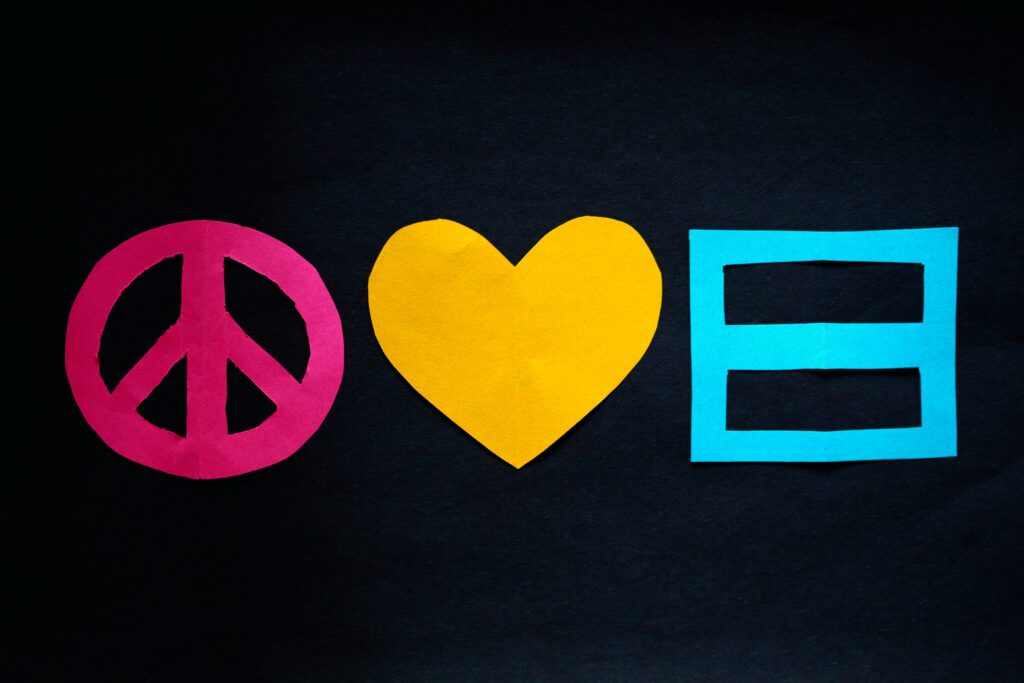
Some symbols stay in memory long after a single exposure. Diamonds, clubs, hearts, and spades might stick in your mind from a deck of cards, playing a game of blackjack, or even watching films like Alice in Wonderland. This is not accidental. These symbols are intentionally designed for instant recognition, using simple shapes, bold colours, and objects that people already associate with real-world meaning.
Repetition strengthens this effect. When combined with visual clarity, it aligns with how the brain processes images efficiently. The result is a set of symbols that feel intuitive, even on first exposure.
The power of familiar icons: why we recognise them instantly
Certain visuals are easy to recognise because they rely on familiarity and simplicity. The familiar icons in slot games, such as cherries, bars, sevens, and bells, require no explanation because they are designed to be understood at a glance.
Their effectiveness comes from deliberate design choices. Strong contrast, clean shapes, and bold colours allow the brain to process them quickly. This reduces cognitive effort and supports immediate recognition.
These symbols also draw from real-world references. Cherries resemble actual fruit, and bells resemble real bells. This connection to existing knowledge allows the brain to process them as known objects rather than new information.
Repetition reinforces this familiarity. The more often these icons appear, the easier they are to recall. Over time, recognition becomes automatic. This combination of simplicity and repeated exposure is what makes them effective.
How visual memory works (and why it favours simplicity)
Visual memory processes information faster than verbal memory. Images are interpreted almost instantly, while text requires sequential processing. As a result, simple visuals are more likely to be retained.
The brain favours high-contrast shapes and clear silhouettes. Clean, uncluttered designs are easier to recognise than those with excessive detail. This aligns with the concept of chunking, in which the brain groups visual elements into simple units rather than processing every detail individually.
Complex designs reduce efficiency. When a visual contains too much detail, it increases cognitive load and reduces memorability. In fast-moving environments, such as mobile browsing, simplicity becomes even more important.
The “glance test” is a useful measure. If a symbol can be understood within seconds, it is effective. If not, it requires simplification.
Why seeing = remembering
Repeated exposure increases both recognition and preference. This is known as the mere exposure effect. In design, it explains why frequently seen symbols become familiar and easier to remember.
Initially, a symbol may go unnoticed. However, repeated exposure across platforms makes it recognisable without conscious effort. This process builds strong visual memory over time.
Repetition also creates consistency. When the same symbol appears in multiple contexts, it reinforces recognition and contributes to a sense of reliability.
Eventually, a symbol reaches a point where it becomes iconic. At that stage, it can be recognised even when removed from its original context. This is the result of consistent and repeated visual exposure.
Iconography as a universal language
Icons are effective because they reduce reliance on language. Symbols such as hearts, arrows, stars, and checkmarks can often be understood across different regions. This gives iconography a universal quality.
However, interpretation is not always consistent. Some symbols carry different meanings depending on the cultural context. For example, gestures like the thumbs-up may be positive in some regions but not in others.
Effective icon design prioritises clarity and immediate understanding. Familiar shapes and simple meanings allow users to interpret symbols without instruction.
When designed well, icons guide users efficiently. When poorly designed, they create confusion. Clear and thoughtful design ensures that icons communicate effectively across different audiences.
What makes a symbol “sticky” in terms of design?
Symbols are memorable when they are simple and distinct. Simplicity reduces cognitive effort, making the symbol easier to process and recall.
Distinctiveness ensures that a symbol stands out among competing visuals. Unique shapes or features make it easier for users to recognise and remember.
Consistency strengthens recognition. When a symbol appears in the same form across different platforms, it builds familiarity and reinforces memory.
Emotional association also plays a role. Symbols connected to positive experiences or rewards are more likely to remain in memory.
Scalability is equally important. A strong symbol remains recognisable at different sizes, whether displayed on a small screen or a large surface.
When these principles work together, they create symbols that are both clear and memorable.
What stays, sticks
Symbols remain in memory because they are designed to align with how the brain processes visual information. Simplicity, familiarity, and repetition allow them to be recognised quickly and recalled easily.
When design follows these principles, symbols do more than attract attention. They become lasting visual references that are easy to recognise and difficult to forget.
 Johner Hazardics writes the kind of art movement highlights content that people actually send to each other. Not because it's flashy or controversial, but because it's the sort of thing where you read it and immediately think of three people who need to see it. Johner has a talent for identifying the questions that a lot of people have but haven't quite figured out how to articulate yet — and then answering them properly.
They covers a lot of ground: Art Movement Highlights, Essential Techniques and Tools, Art Exhibitions and Reviews, and plenty of adjacent territory that doesn't always get treated with the same seriousness. The consistency across all of it is a certain kind of respect for the reader. Johner doesn't assume people are stupid, and they doesn't assume they know everything either. They writes for someone who is genuinely trying to figure something out — because that's usually who's actually reading. That assumption shapes everything from how they structures an explanation to how much background they includes before getting to the point.
Beyond the practical stuff, there's something in Johner's writing that reflects a real investment in the subject — not performed enthusiasm, but the kind of sustained interest that produces insight over time. They has been paying attention to art movement highlights long enough that they notices things a more casual observer would miss. That depth shows up in the work in ways that are hard to fake.
Johner Hazardics writes the kind of art movement highlights content that people actually send to each other. Not because it's flashy or controversial, but because it's the sort of thing where you read it and immediately think of three people who need to see it. Johner has a talent for identifying the questions that a lot of people have but haven't quite figured out how to articulate yet — and then answering them properly.
They covers a lot of ground: Art Movement Highlights, Essential Techniques and Tools, Art Exhibitions and Reviews, and plenty of adjacent territory that doesn't always get treated with the same seriousness. The consistency across all of it is a certain kind of respect for the reader. Johner doesn't assume people are stupid, and they doesn't assume they know everything either. They writes for someone who is genuinely trying to figure something out — because that's usually who's actually reading. That assumption shapes everything from how they structures an explanation to how much background they includes before getting to the point.
Beyond the practical stuff, there's something in Johner's writing that reflects a real investment in the subject — not performed enthusiasm, but the kind of sustained interest that produces insight over time. They has been paying attention to art movement highlights long enough that they notices things a more casual observer would miss. That depth shows up in the work in ways that are hard to fake.